Antipasti—the classic Italian starter—introduces the meal and prepares the palate for what follows. This piece examines antipasti’s history, its cultural role in shared dining, the typical ingredients and regional variations, and how the course evolved. We also describe how Cafe Gabbiano in Sarasota, Florida, celebrates antipasti with authentic preparations that enhance the guest experience. By recognizing antipasti’s purpose, diners can better appreciate how it readies the palate for subsequent courses and elevates the whole meal.
Key Takeaways
- Antipasti is a traditional Italian appetizer that stimulates the appetite and encourages social interaction before the main meal.
- Typical antipasti include cured meats, cheeses, and marinated vegetables, reflecting Italy’s regional culinary diversity.
- Antipasti embodies Italian dining customs by fostering communal sharing and enhancing conversation among diners.
- The origins of antipasti trace back to ancient Roman and Etruscan communal dining traditions.
- Antipasti evolved over centuries, incorporating new ingredients and spices from expanding trade routes.
- Cafe Gabbiano in Sarasota offers authentic antipasti platters that combine traditional Italian flavors with local ingredients.
- Wine pairings at Cafe Gabbiano are carefully selected to complement antipasti’s diverse flavors and textures.
- Antipasti prepares the palate for subsequent courses by balancing savory, salty, and tangy flavors in Italian meals.
- Hosting private events with antipasti at Cafe Gabbiano enhances social gatherings with elegant, authentic Italian dining experiences.
What Is Antipasti and How Does It Define Italian Appetizers?
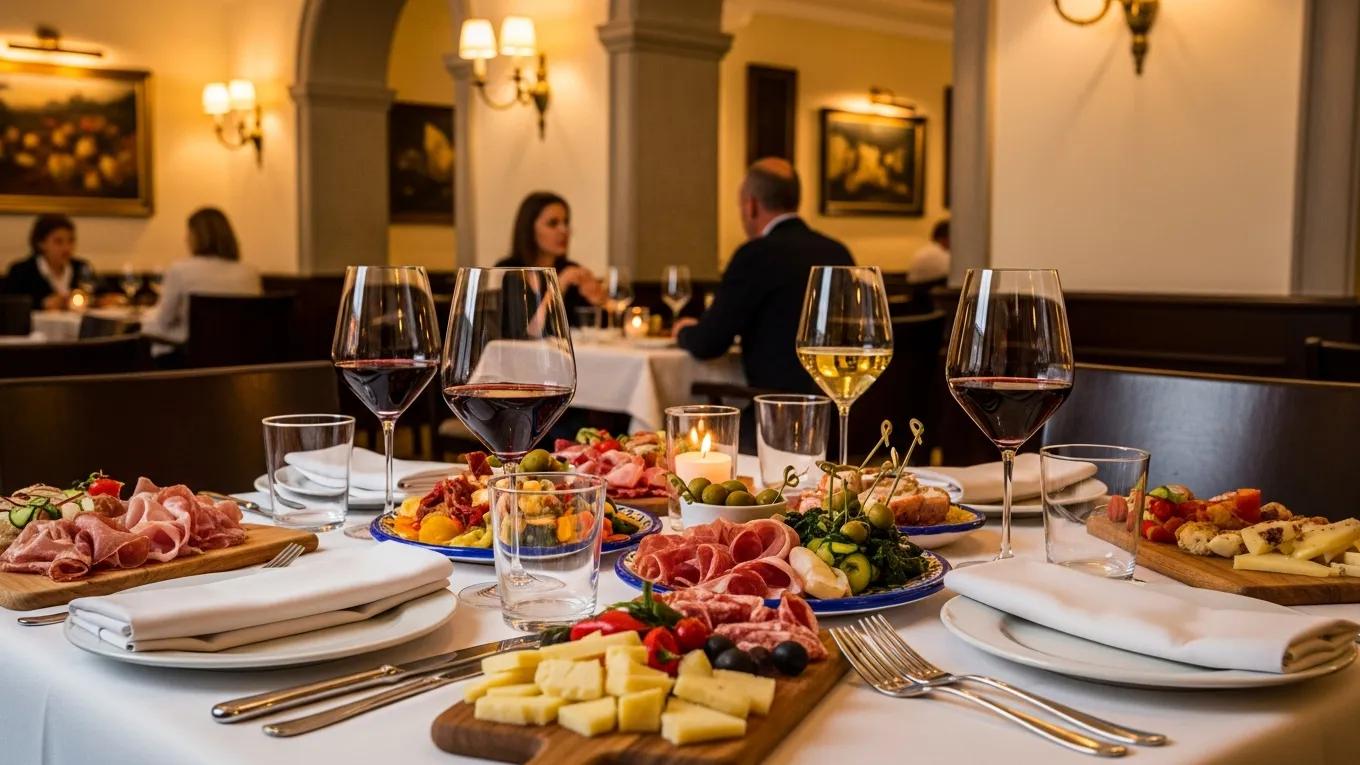
Antipasti denotes the assortment of starters presented before the main course in Italian cuisine. Common elements include cured meats, cheeses, marinated vegetables and olives, which highlight regional produce and techniques. Beyond taste, antipasti functions as a shared course that encourages conversation and reflects Italy’s emphasis on communal dining.
What Are Traditional Antipasti Dishes and Their Key Ingredients?
Traditional antipasti vary by region but commonly include:
- Cured Meats: Such as prosciutto, salami, and capicola, which provide rich, savory flavors.
- Cheeses: Varieties like mozzarella, pecorino, and gorgonzola, each contributing unique textures and tastes.
- Marinated Vegetables: Items like artichokes, peppers, and olives, which add freshness and acidity to the platter.
These elements highlight the quality of Italian produce and regional specialties, so each antipasto platter reflects a distinct local character.
How Does Antipasti Reflect Italian Dining Customs?
Antipasti captures Italian dining’s communal spirit. Served to encourage sharing and sampling, it invites diners to explore diverse flavors and textures while fostering conversation and connection. Often paired with wine, antipasti establishes the meal’s tone by enhancing both food and drink.
What Is the Historical Origin and Cultural Significance of Antipasti?
Antipasti traces its roots to ancient Roman practice of offering small bites before larger courses. Over centuries regional ingredients and techniques shaped the course, and expanding trade introduced spices and preserved goods. The result is a flexible tradition that adapts while preserving core Italian culinary identity.
The emphasis on communal dining at the heart of antipasti finds clear parallels in Etruscan customs.
How Did Antipasti Evolve in Italian Culinary History?
Antipasti evolved from simple fare to a more varied and refined course as trade and regional exchange introduced new ingredients. The arrival of different cheeses, spices and preserved meats expanded the antipasti repertoire, increasing both its complexity and its regional distinction.
Why Has Antipasti Remained Central to Italian Meal Structure?
Antipasti remains central because it bridges courses and enhances the dining experience. It eases the transition into heavier dishes and reflects the Italian value of using food to bring people together and strengthen relationships.
How Does Antipasti Enhance the Dining Experience at Cafe Gabbiano?
At Cafe Gabbiano, antipasti is a foundational element of the guest experience. The kitchen assembles antipasti that respect traditional Italian flavors while integrating select local ingredients, ensuring each plate both delights the palate and communicates culinary heritage.
What Are the Signature Antipasti Platters Offered at Cafe Gabbiano?
Cafe Gabbiano features several signature antipasti platters, including:
- Cured Meats: A selection of artisanal cured meats paired with cheeses and house-made pickles.
- Cheeses: Marinated seasonal vegetables served with a drizzle of balsamic reduction.
- Seafood Antipasti: A delightful assortment of marinated seafood, including calamari and shrimp.
These platters showcase the restaurant’s commitment to authentic Italian dining and give guests a memorable start to their meal.
How Are Wine Pairings Selected to Complement Antipasti?
Wine pairings at Cafe Gabbiano are carefully curated to complement antipasti. Selections account for ingredients and preparation so the wine supports rather than overpowers the dish. A crisp white typically accompanies seafood antipasti, while a fuller red suits cured meats. This attention to balance reinforces the harmony between food and wine.
How Can You Host Private Events Featuring Antipasti at Cafe Gabbiano?
Hosting a private event at Cafe Gabbiano allows you to include antipasti as a central element. The restaurant offers customizable menus that incorporate a variety of antipasti options so your guests sample authentic Italian starters tailored to the occasion.
What Private Dining Services Include Antipasti Offerings?
Cafe Gabbiano’s private dining services present a range of antipasti platters tailored to event objectives. Guests select from curated options to create a personalized experience, while the staff provides attentive service to ensure every logistical and culinary detail is managed.
How Does Catering Antipasti Platters Elevate Sarasota Events?
Catering antipasti platters in Sarasota adds elegance and authentic Italian flavor to any gathering. These platters encourage social interaction and offer a variety of tastes and textures, making them well suited to weddings, corporate receptions and private parties.
Why Is Antipasti the Ideal Starter to Enhance Italian Dining?
Antipasti is the ideal starter because its range of flavors and textures primes the senses for the courses that follow. The variety creates a focused sensory opening that sets the meal’s rhythm.
How Does Antipasti Prepare the Palate for Subsequent Courses?
The interplay of savory, salty and tangy elements in antipasti refreshes and readies the palate for main courses. Beginning with antipasti lets diners perceive the finer distinctions in the dishes that follow.
What Are Expert Tips for Pairing Antipasti with Wine?
For wine pairing with antipasti, consider the following expert tips:
- Match Intensity: Choose wines that match the intensity of the antipasti flavors.
- Consider Acidity: Wines with higher acidity can enhance the freshness of marinated vegetables.
- Explore Varietals: Don’t hesitate to experiment with different wine varietals to find the perfect match for your antipasti selection.
Use these guidelines to ensure each bite of antipasti is well supported by its wine, enhancing the overall dining experience.
To explore options for catering antipasti, contact Cafe Gabbiano.
To plan a gathering, review private events at Cafe Gabbiano for tailored menus and service.
Cafe Gabbiano also provides catering services designed to elevate events in Sarasota with authentic Italian cuisine.
Frequently Asked Questions
What is the significance of communal dining in Italian culture?
Communal dining is central to Italian life; sharing food builds connection and encourages conversation. Antipasti—served as a shared starter—embodies that tradition by inviting guests to taste a range of flavors together. The ritual of sharing enhances relationships and creates memorable moments.
How can I create an antipasti platter at home?
Creating an antipasti platter at home is straightforward. Select a mix of cured meats like prosciutto and salami, cheeses such as mozzarella and gorgonzola, and marinated vegetables and olives. Add bread or crackers for texture and arrange items artfully on a large board. Including dips like hummus or pesto gives guests more ways to combine flavors.
What are some popular wine pairings for antipasti?
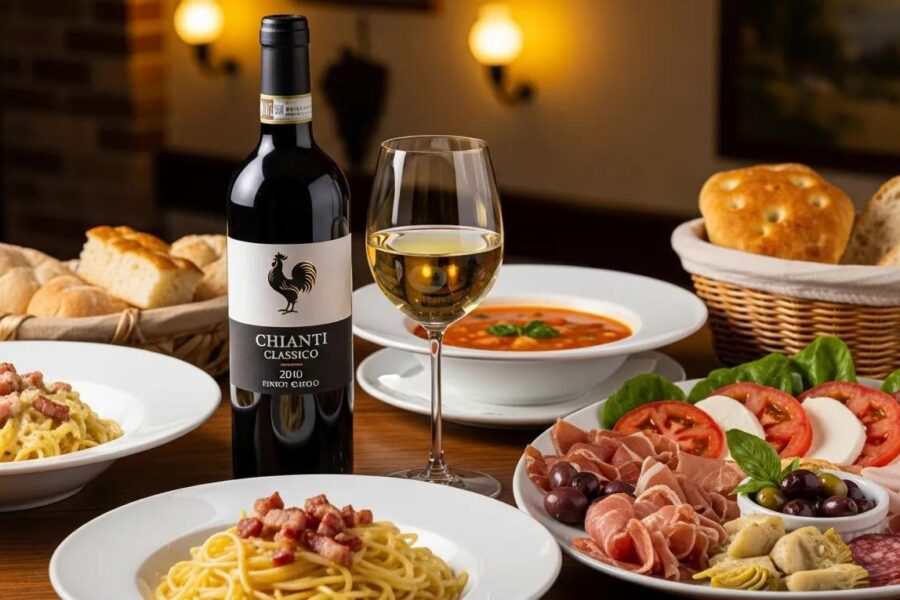
Pair wines to the antipasti ingredients. For lighter options such as marinated vegetables or seafood, choose a crisp white like Pinot Grigio or Sauvignon Blanc. For richer cured meats and cheeses, a medium-bodied red such as Chianti or Barbera works well. Sparkling wines like Prosecco are versatile and pair across many antipasti selections.
Are there vegetarian options for antipasti?
Yes—vegetarian antipasti can be equally compelling. Common choices include marinated artichokes, roasted peppers, olives and a variety of cheeses. Fresh vegetables such as cherry tomatoes, cucumbers and radishes, paired with dips like hummus or tzatziki, create a satisfying starter that appeals to vegetarians and omnivores alike.
How does antipasti vary across different regions of Italy?
Antipasti reflects Italy’s regional diversity. Northern plates often feature rich cheeses and polenta-based items, while the south highlights fresh vegetables and seafood. In Sicily you may find caponata, a sweet-and-sour eggplant dish; in Tuscany, crostini topped with chicken liver pâté are common. Regional ingredients shape distinctive antipasti traditions.
What role does antipasti play in Italian festive occasions?
Antipasti play a central role at celebrations, serving as a welcoming course that encourages guests to mingle. At weddings, holidays and family gatherings, antipasti platters often open the meal and set a festive tone. Their communal nature complements the celebratory atmosphere and helps create a convivial start to any event.